

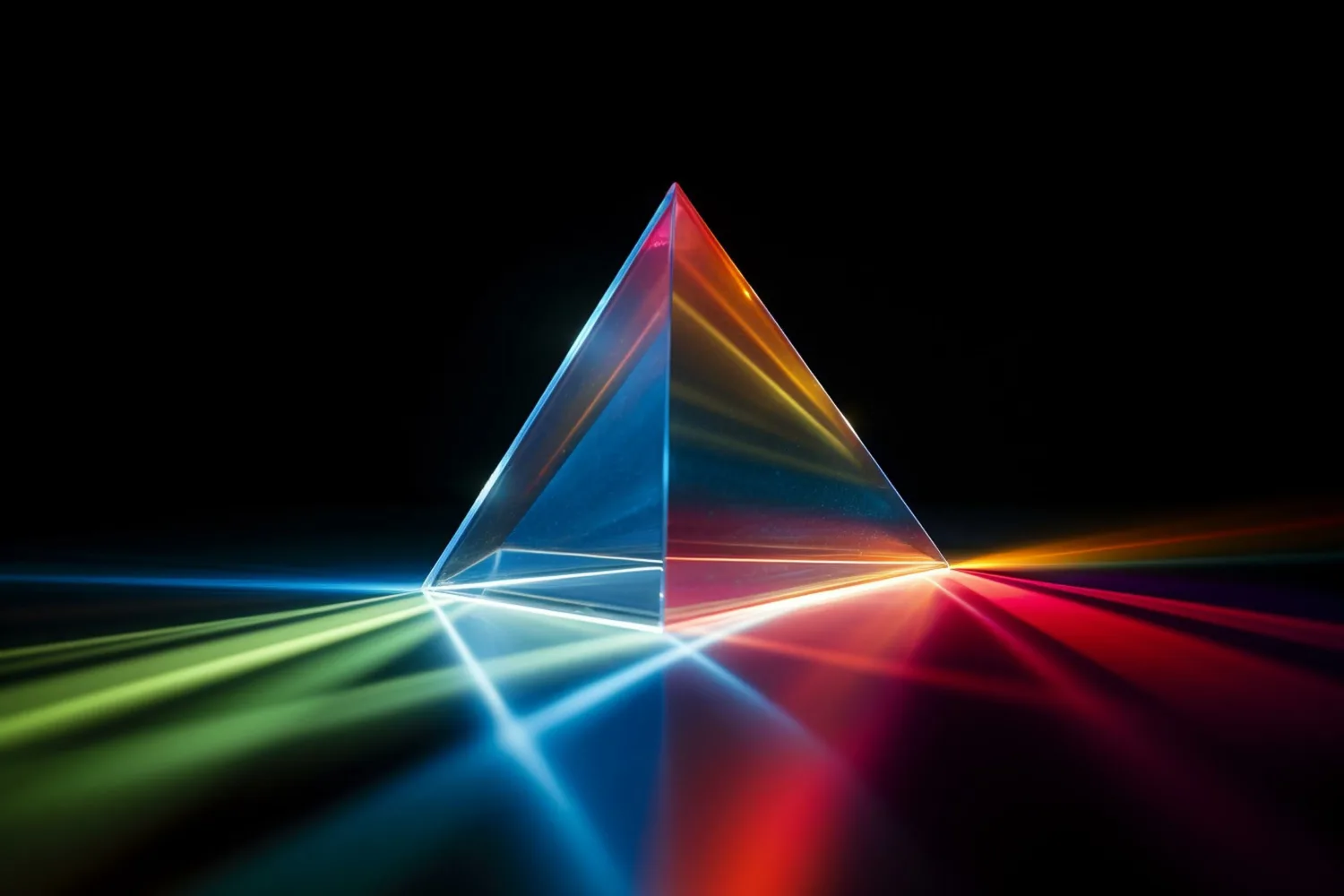
Beam splitters find their application in a diverse array of fields, from teleprompters to robotics, impacting various technologies we rely on daily. These unassuming devices are pivotal in facilitating the functioning of numerous high-tech gadgets. This article delves into the workings, types, and applications of beam splitters.
Understanding the Beam Splitter
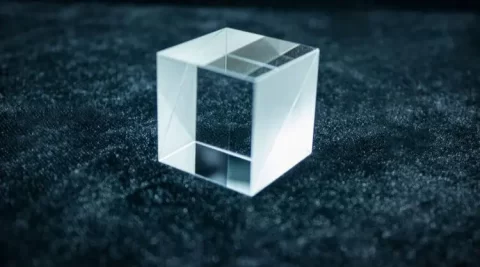
A beam splitter, essentially, is a device capable of directing light into two distinct paths. The majority of beam splitters are crafted using glass cubes. When a light beam encounters these cubes, half of it penetrates the glass, while the other half gets reflected.
In the realm of physics, beam splitters have been instrumental in experiments, aiding in the measurement of parameters like the speed of light. In real-world applications, beam splitters are the unsung heroes of fiber optic telecommunications, ensuring efficient high-speed internet connections. They are also integral components of optical devices such as microscopes, telescopes, cameras, and binoculars.
Applications Highlighting the Importance of Beam Splitters
- Teleprompters: Beam splitters are integral components of teleprompters, playing a vital role in the media industry. They enable performers, politicians, YouTubers, and others to read scripts without breaking eye contact with the audience. This is particularly valuable for those who struggle with memorization, as it allows them to focus on their body language and delivery, projecting confidence and composure. The key element in a teleprompter is a piece of beam splitter glass, which can display the script on a tablet, phone, or laptop, often with a black shroud to enhance visibility.
- Holograms: Beam splitters are instrumental in creating holograms and similar optical illusions. They separate the light from an object, with one part bouncing off the beam splitter and the other passing through. To make a hologram stand out, a black background is essential.
- Interferometry: Beam splitters play a crucial role in interferometry. They split a single beam into two, with one part bouncing off a surface. By combining the reflected light with the initial beam, distance measurements can be made by generating interference patterns.
- Diverse Applications: Beam splitters find their place in various fields, including engineering, robotics, science, security cameras, smart mirrors, fiber optics, filmmaking, laser systems, and more.
Understanding Beam Splitter Coatings
To enhance light reflection, transmission, and polarization, beam splitter coatings are applied to optical surfaces. These coatings prevent light loss through the glass, making the system more efficient. Thin films of metals and oxides are typically used for these coatings, with a wide variety of materials and thicknesses available to achieve the ideal balance between reflection and refraction. Coatings can significantly improve performance, as well as protect the optical equipment’s surfaces, thereby extending the lifespan of the beam splitter and its components.
Exploring Common Types of Beam Splitters
- Cube Beam Splitter: Cube beam splitters are constructed by stacking two triangular glass prisms and bonding them with epoxy or urethane resins. The thickness of the resin layer can be adjusted to control the power splitting ratio for specific wavelengths. Additionally, thin metal or dielectric coatings can be added to split the beam based on polarization or wavelength.
- Plate Beam Splitter: Plate beam splitters, also known as dielectric mirrors, consist of thin optical glass with coatings on each side. The mirror coating is applied at a 45° angle of incidence, splitting the light into equal parts of reflection and transmission. These beam splitters can also be made from IR materials like Calcium Fluoride (CaF2) and Potassium Bromide (KBr), catering to different wavelength ranges.
- Non-Polarized and Polarized Beam Splitters: Non-polarizing beam splitters maintain the polarization of light while splitting it in a predetermined ratio, making them ideal for applications that require preserved polarization. In contrast, polarizing beam splitters split light into S-polarized and P-polarized beams, which can be useful for optical isolation and other applications.
- Dichroic Beam Splitter: Dichroic beam splitters separate light based on wavelengths and are commonly used in applications involving fluorescence, tailored laser beam combining, and more.
- Other Types of Beam Splitters: Pellicle beam splitters, geometric splitting beam splitters, polka dot beam splitters, beam splitters with multiple outputs, and fiber-optic beam splitters cater to various needs and preferences in different applications.
Applications of Optical Beam Splitters
Beam splitters play a vital role in interferometry, enabling distance measurement through interference patterns. They also find widespread application in quantum optics research and development.
Fluorescence spectroscopy relies on dichroic beam splitters to selectively filter light by wavelength, ensuring only emitted fluorescence reaches the detector. In camera-based imaging systems, plate-type beam splitters are crucial for co-axial illumination.
Imaging systems often employ hot or cold mirrors to separate infrared from visible light, protecting sensors from potential thermal damage. Additionally, dichroic filters reduce red light in white illumination, providing a bluer light source.
Conclusion
Beam splitters are versatile and indispensable across various fields, from media and holography to telecommunications and scientific research. With diverse types tailored to different requirements in intensity, polarization, and wavelength, they offer a comprehensive understanding of their importance.
Shanghai Optics specializes in high-quality custom Beam Splitters. Explore our range and place your order today. For inquiries, please contact us, and we’ll be happy to assist you.


