

Comprehensive Guide to Reverse Optical Engineering
Comprehensive Guide to Reverse Optical Engineering
Reverse optical engineering is a critical process that involves understanding, analyzing, and recreating existing optical components when original designs are unavailable. This process includes several key steps: understanding the lens’s use, disassembling it, recording data, and deriving new designs to produce high-quality lenses tailored to meet customer needs.
What is Reverse Optical Engineering?
Reverse optical engineering entails a thorough examination of existing optical systems or components to understand their functionality. This technique is essential when the original design is not available or when improvements are desired. It allows for the creation of custom optic systems, the identification of original engineering efforts, and the replication of intricate designs more efficiently and cost-effectively. This method also facilitates the refinement of focal points and the capture of detailed object features for further analysis and manufacturing.
Comparison with Traditional Design Workflow
- Traditional Design Workflow: In a conventional design workflow, the process begins from scratch, involving the creation and machining of parts before assembling the lens, as depicted in Figure 1.
- Reverse Engineering Workflow:
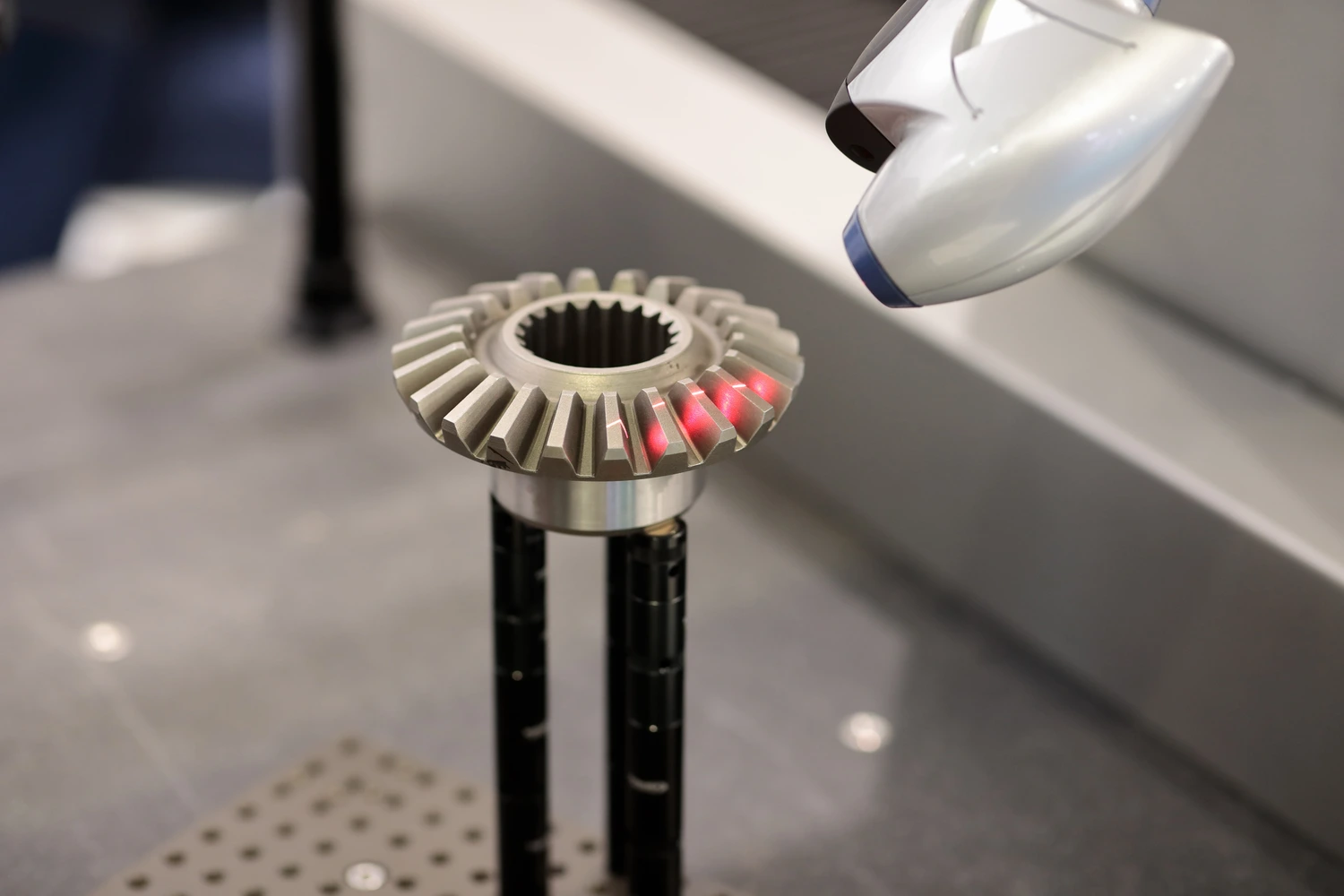
On the other hand, reverse engineering starts with an existing product. It involves disassembling the product layer by layer, as shown in Figure 2, to test each part’s parameters. This approach is necessary when the original manufacturer has stopped production, yet there is still a demand for lenses with similar performance. Reverse engineering enables the creation of products that function similarly to the original but are not identical.

The Reverse Optical Engineering Process
-
Step 1: Understanding the Lens’s Background
-
Step 2: Lens Data Acquisition and Processing
-
Step 3: Disassembling the Lens
-
Step 4: Component Data Acquisition
-
Step 5: Deriving the Design
-
Step 6: Manufacturing and Testing


